
Do Maine Coons Get Their Size from Genetics or Early Nutrition?

Maine Coons are famous for their impressive size, often described as gentle giants of the cat world. Many cat lovers wonder what shapes their large stature: is it their genetic makeup or the nutrition they receive early in life? Understanding the factors behind their size helps owners provide the best care and set realistic expectations for their pets.
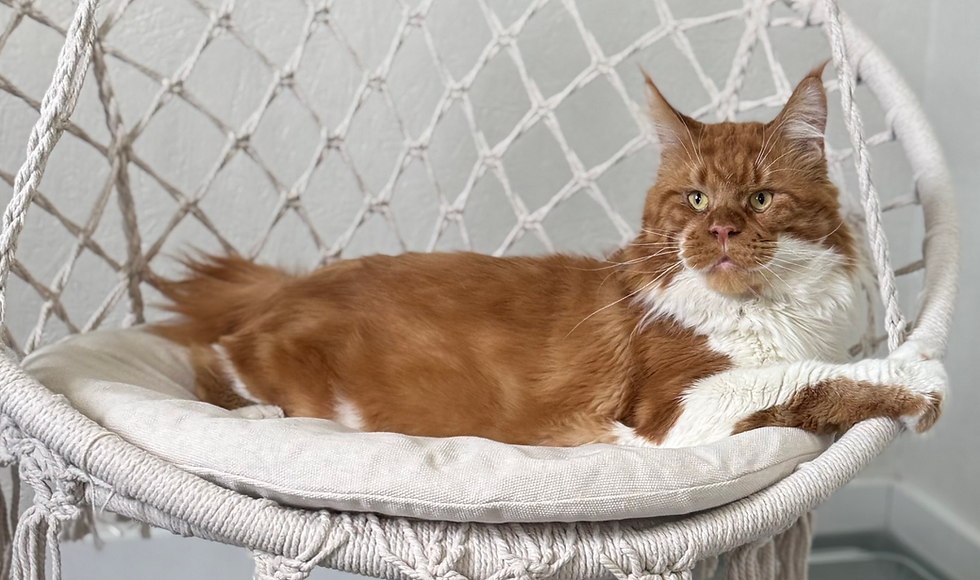
Quebec enjoying his swing! His pedigree reflects years of careful selection focused on health, temperament, conformation, and impressive size! We're happy to call him King of our cattery!
The Genetic Blueprint of Maine Coons
Maine Coons have a unique genetic background that plays a major role in their size. This breed originated in the northeastern United States and developed naturally over time, adapting to cold climates with a thick coat and sturdy frame.
Inherited Size Traits
Maine Coons carry genes that influence bone structure, muscle mass, and overall body length. Their large paws, long tails, and broad chests are all genetic markers passed down through generations.
Growth Patterns
Unlike many other cat breeds, Maine Coons grow slowly and can take up to 3 to 5 years to reach full size. This extended growth period is genetically programmed, allowing them to develop their characteristic large frame gradually.
Family History Matters
The size of a Maine Coon’s parents and grandparents often predicts the adult size of kittens. Breeders carefully select mating pairs to maintain or enhance size traits, which is why pedigree plays a crucial role.
The Role of Early Nutrition in Growth
While genetics set the potential size, early nutrition determines whether a Maine Coon reaches that potential. Proper feeding during kittenhood supports healthy bone development, muscle growth, and overall vitality.
Critical Growth Window
The first few months of a kitten’s life are vital. Nutrients like protein, calcium, phosphorus, and essential fatty acids contribute to strong bones and muscles. Deficiencies during this period can stunt growth or cause health issues.
Quality of Food
High-quality commercial cat foods formulated for large breed kittens provide balanced nutrition. Homemade diets or low-quality foods might lack necessary nutrients, affecting size and health.
Feeding Frequency and Amount
Overfeeding can lead to obesity, which stresses joints and may mask natural growth patterns. Underfeeding, on the other hand, limits energy and nutrient availability, slowing growth.
Supplements and Veterinary Guidance
Some owners consider supplements like omega-3 fatty acids or vitamins. These should only be given under veterinary advice to avoid imbalances that could harm development.
How Genetics and Nutrition Work Together
The size of a Maine Coon results from a combination of inherited traits and environmental factors like nutrition. Neither alone guarantees a large cat.
Genetics Set the Ceiling
A kitten born from large parents has the genetic potential to grow big, but poor nutrition can prevent reaching that size.
Nutrition Unlocks Potential
Even genetically smaller cats can grow healthier and stronger with proper feeding, though they won’t surpass their genetic limits.
Health and Environment Influence Growth
Illness, stress, and living conditions also affect growth. A healthy, stress-free environment supports optimal development.
Tips for Supporting Healthy Growth in Maine Coons
Owners can take practical steps to help their Maine Coons grow strong and healthy:
Choose kitten food designed for large breeds with balanced nutrients.
Free feed daily during kittenhood to support steady growth.
Avoid overfeeding or frequent treats to prevent obesity.
Schedule regular veterinary checkups to monitor growth and health.
Provide a safe, low-stress environment with opportunities for exercise.
Consult a vet before adding supplements or changing diets.
Understanding Size Expectations for Your Maine Coon
Knowing the influence of genetics and nutrition helps set realistic expectations:
Maine Coons typically weigh between 10 to 25 pounds, with males generally larger.
Growth can continue until 4 or 5 years old, so patience is key.
Size alone does not define health; a well-proportioned, active cat is a better indicator.
Owners should appreciate their Maine Coon’s unique growth journey and focus on overall well-being rather than just size. At Sovereign Maine Coons, we carefully select our breeding cats based on health, temperament, structure, and overall quality...not simply size alone. While impressive size is certainly one of the many traits that make Maine Coons loved, it should never be the primary factor when choosing a cattery and kitten.
A responsible breeder's first priority is producing healthy, well socialized kittens from genetically tested parents with strong, proven bloodlines. When foundations are in place, size often follows naturally through careful and thoughtful breeding. Reality is that no ethical breeder can guarantee exact weight or size.


Comments